
Selling the Commons Twice: From Farmland to Wasaga Beach Public Land
Public land—from farms to beaches—keeps ending up on the auction block

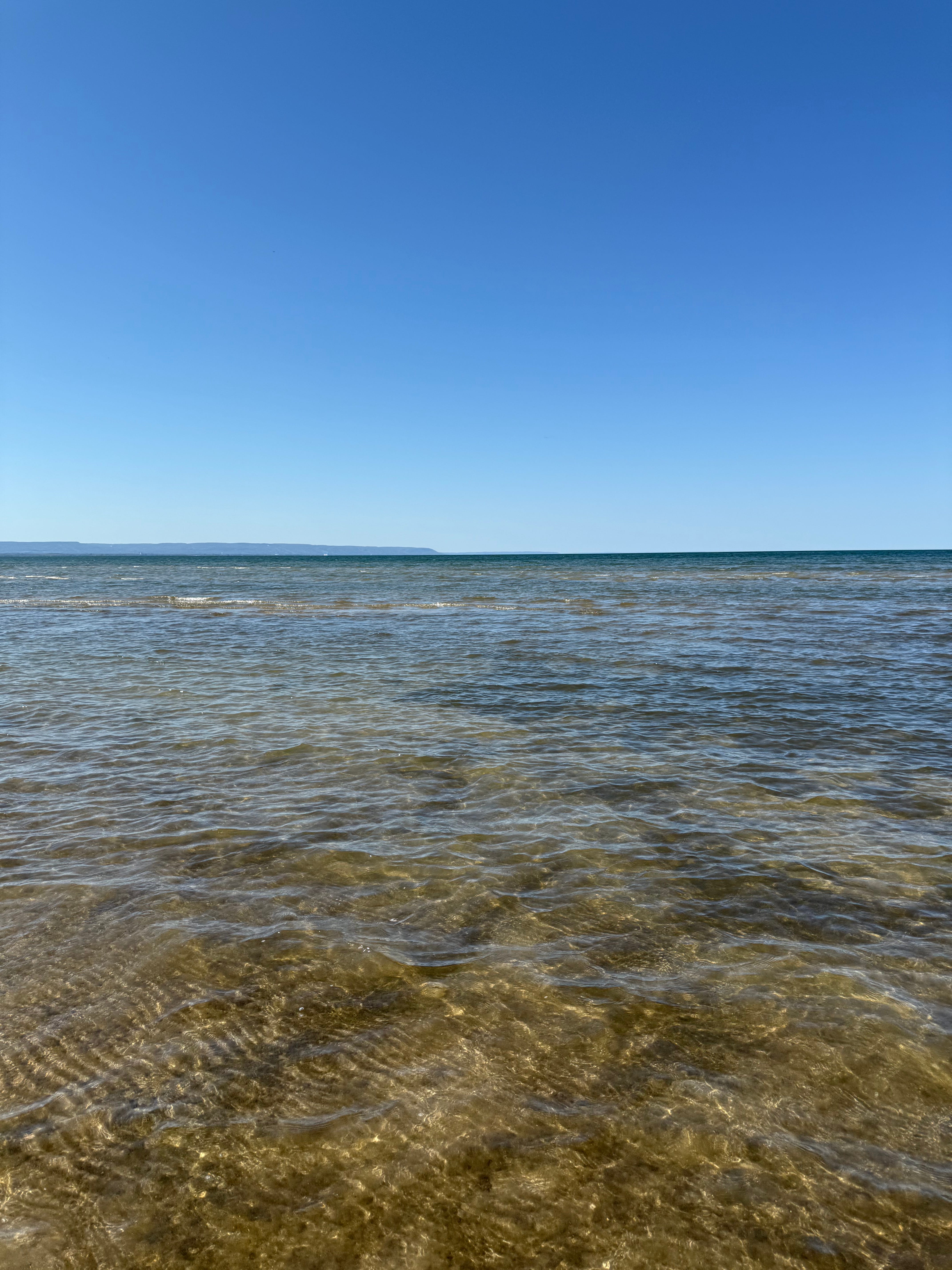
Every September, my partner and I slip away to Collingwood for a few quiet days by the lake. It’s our end-of-summer ritual — part reset, part harvest pilgrimage. We wander through the markets tucked between Blue Mountain and Georgian Bay, stocking up on fresh apples, local honey, and jars of homemade preserves. Every year, we end the trip with a long walk along Wasaga’s endless-feeling beaches, where the horizon seems to stretch into forever.
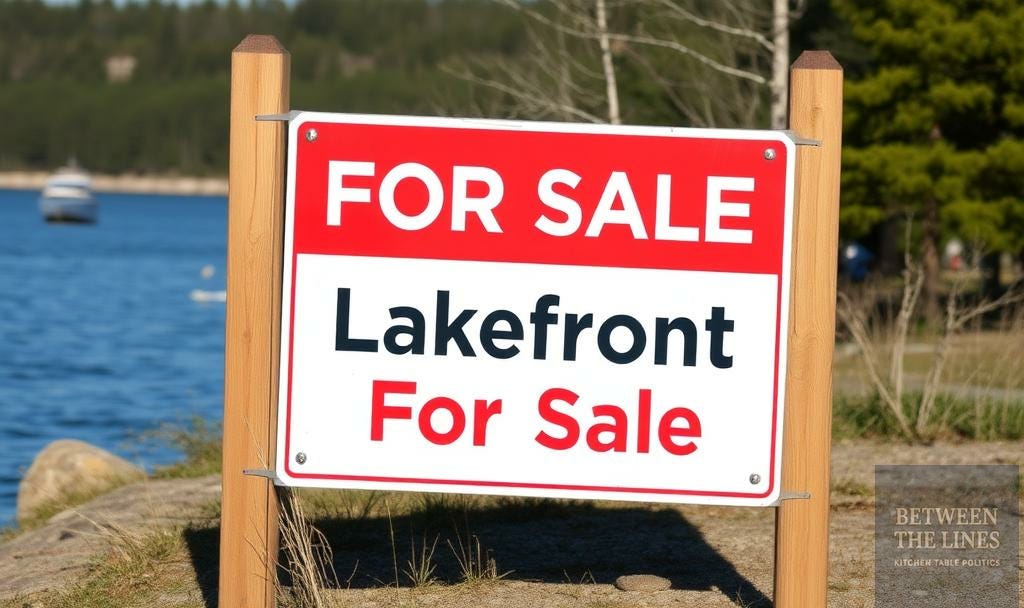
This year, that walk felt different — a little heartsore. Behind the beauty, it’s hard not to notice the creeping fences, the “For Sale” signs, and the sense that the commons — the land we all share — keeps shrinking. What used to belong to everyone now feels like it’s slowly being sold back to us, one parcel at a time.
I grew up thinking beaches were forever. The lake was always there, the sand was always free, and no one owned the horizon. Wasaga was the place families could count on — the kind of day trip that didn’t require deep pockets, just sandwiches, towels, and sunscreen.
This September, standing on that same shoreline, I realized I can no longer feel secure in such assumptions.
A Pattern We Should Recognize
Ontario’s government is preparing to transfer nearly 60 hectares of Wasaga Beach Provincial Park to the Town of Wasaga Beach, the most heavily serviced portions of the shoreline: Beach Areas 1 and 2, New Wasaga, and Allenwood Beach, along with Nancy Island, which would be reclassified under the Historical Parks Act. Together, these parcels amount to just 3% of the park’s total area — but nearly 60% of its Georgian Bay shoreline.
The land is slated for “revitalization” under the Destination Wasaga initiative. But this isn’t revitalization. It’s a precedent: that Ontario’s most visited parks can be chopped up and rezoned when developers see an opportunity. It mirrors what has already happened in the Greenbelt and at Ontario Place.
The End of an Age at Wasaga
There we stood, on Wasaga Beach on a warm September Tuesday, the sand still hot beneath our feet, the air still thick with summer. Locals walking slowly along the shoreline, heads turned toward the horizon, as if committing the view to memory.
There was a bittersweet sort of tension in the faces we strolled past. It felt less like a beach stroll and more like a visitation — the kind you attend when you know something is being lost. We weren’t alone. The die-hard beach lovers were clearly with us fighting feelings of impending loss. A feeling of unwelcome change charged the air.
The Ontario government’s plan to transfer portions of Wasaga Beach Provincial Park into municipal hands for “tourism development” isn’t just a bureaucratic shuffle. It’s a handover of public trust, making way for privatization of some of the most iconic beach frontage in the province.
Steel Walls on Sand
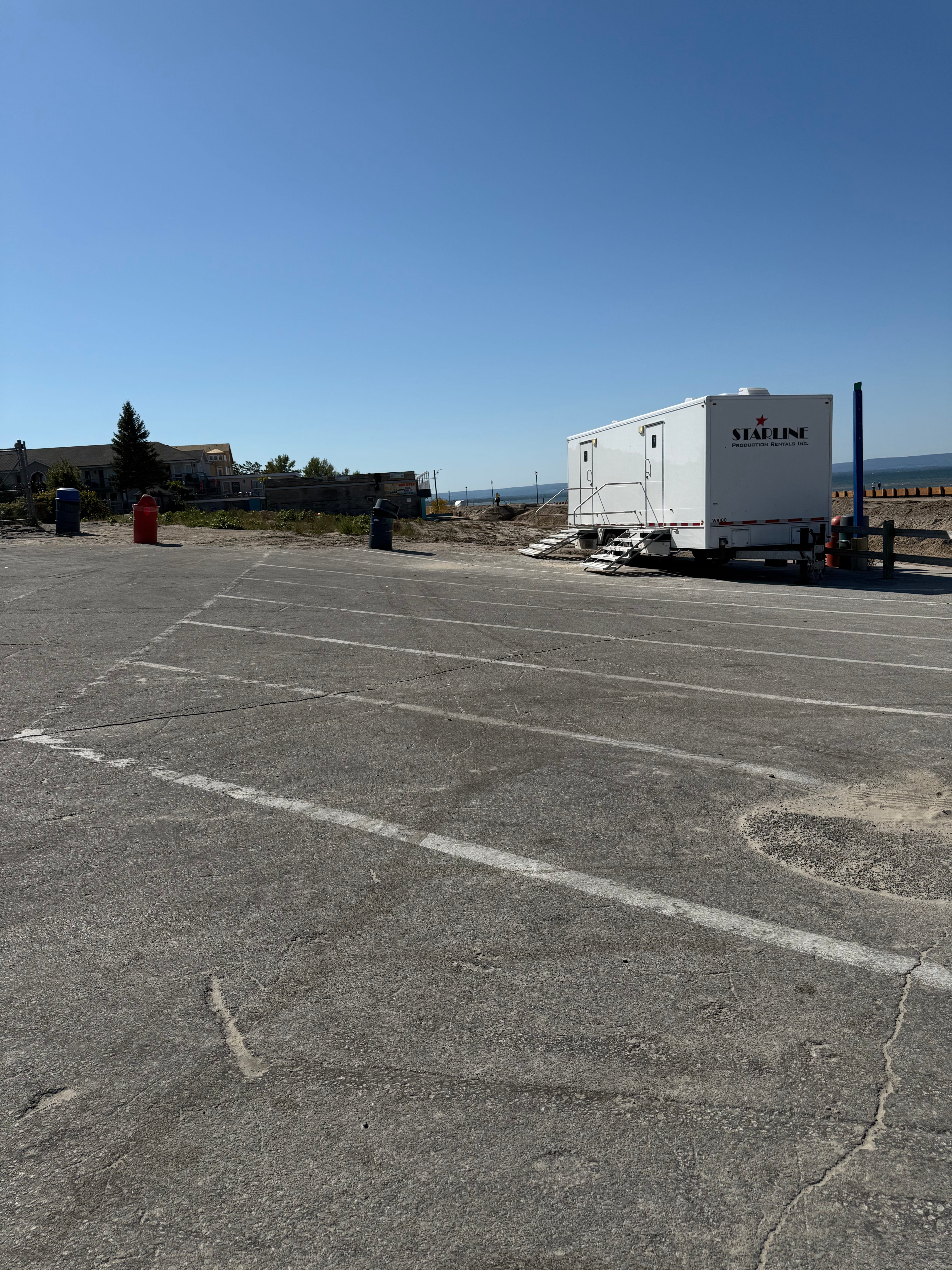
Already, the signs of change are visible. Construction barriers rise where sand used to stretch unbroken, and trailers mark the start of a “new vision.”
The developers and politicians call it Destination Wasaga. But for the people who live here—and for generations of Ontarians who came here with coolers, towels, and kids in tow—it feels like Dispossession Wasaga.
The longest freshwater beach in the world is being chopped into real estate parcels. The public shoreline is being walled off, rezoned, and sold into pieces.
What Gets Lost
Environmental advocates warn that the transfer means more than a governance shift. These lands host critical habitat for the endangered Piping Plover, sensitive dune ecosystems, and a provincially significant Area of Natural and Scientific Interest (ANSI) at “The Point” in Beach Area 1. Once removed from the provincial system, these areas lose the higher standard of protection the Parks Act provides.
The town has pledged to preserve sensitive areas and keep beaches technically public, but with local governance, those protections can be altered more easily.
For residents, the stakes feel personal. “It’s the end of an age,” one walker told me. “Longest beach no more — just chopped-up lakefront real estate.”
Ordinary Lives, Extraordinary Loss
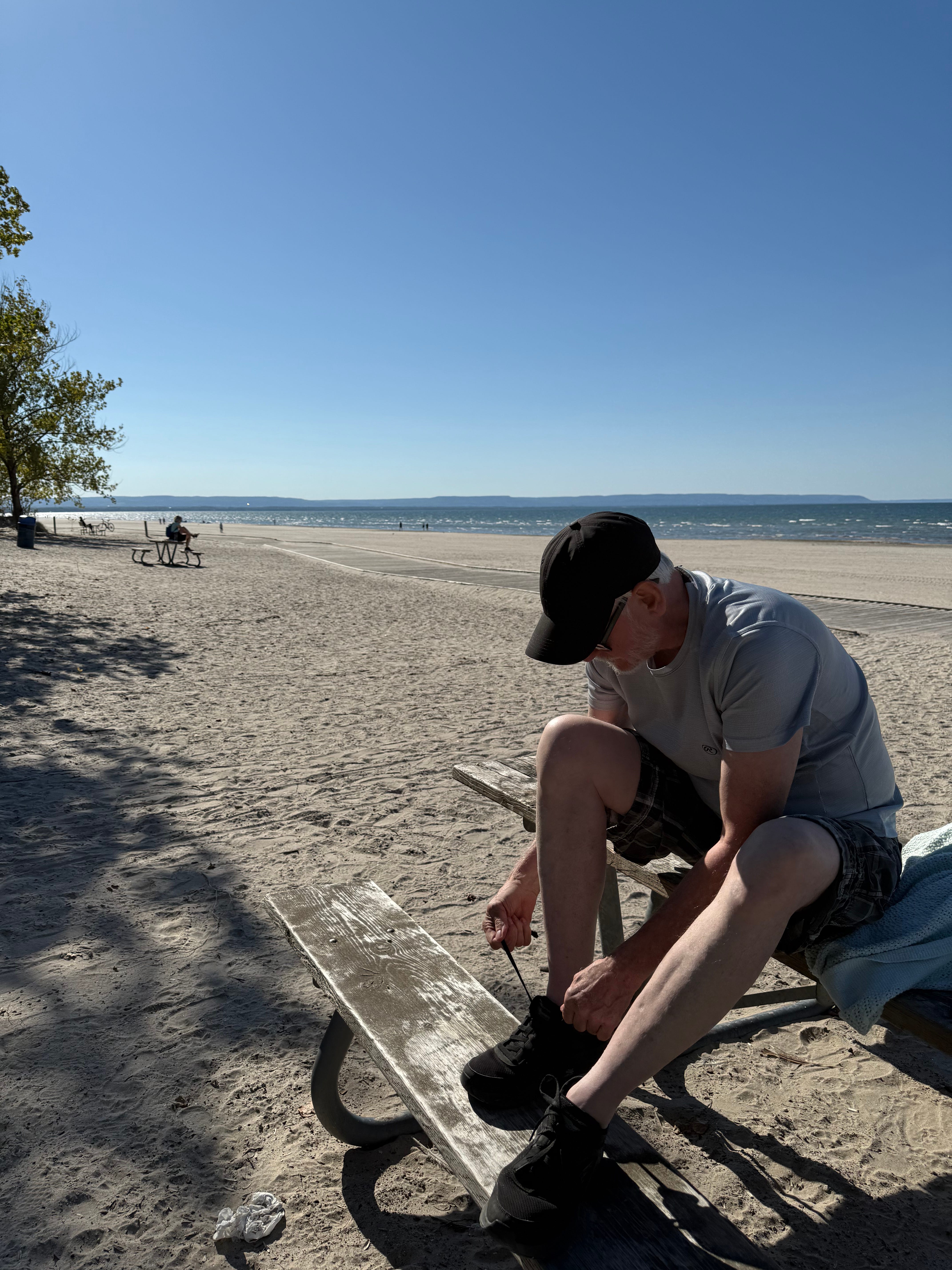
On the day I visited, I sat near a man lacing up his shoes at a picnic bench. A simple moment, one that happens every day on every beach: stretching out, shaking off sand, getting ready to leave.
These ordinary moments—the easy rituals of life at the shore—are what risk being lost. You can’t put a price tag on them, but developers will try.
And when we sell off public land, it’s not just the scenery we lose. It’s the habitat for wildlife, the affordability of family outings, the sense that the shoreline is part of a shared inheritance.
Why It Matters
Privatization is rarely about building “community.” It’s about extracting value. Once the land is gone, it doesn’t come back.
For Wasaga, that means a transformation from a shared shoreline into fragmented properties. For Ontario, it means a precedent: the slow slicing away of public beaches and parks in favour of short-term profit.
And for Canadians, it’s a wake-up call. Because once the longest freshwater beach in the world is up for sale, what isn’t?
The Numbers Behind the Shift
Wasaga isn’t obscure backcountry. It welcomes nearly two million visitors each year, making it Ontario’s second most-visited provincial park. Dips in attendance during the pandemic (1.1 million in 2022 vs. 1.5 million in 2019) have fully rebounded; visitation is higher in 2025 than before COVID.
So why redevelop now? Because the targeted parcels are the cheapest to monetize. They already have roads, washrooms, utilities, and parking lots — built by taxpayers over decades. Developers prefer inheritance over investment.
Selling What’s Already Paid For
The pattern is clear. Under the Destination Wasaga banner, the town has already sold parcels of Beach Area 1: Sunray Group is building a Marriott hotel and festival square; Stonebridge Group is raising a mixed-use “village”; Bayloc/Zancor have bought more frontage. It’s gentrification, plain and simple.
To clear the way for similar moves on provincial parcels, the government has proposed amendments to the Provincial Parks and Conservation Reserves Act (PPCRA). Instead of requiring legislative votes to remove land, Cabinet would be able to redesignate parks by regulation — no debates, no votes, no transparency.
👉 If you value Canadian land, lakes, and farmland, share this story. Ontario’s commons are only as strong as the public voices willing to defend them.
The Farmland Parallel
This is not only a shoreline story. Ontario loses 319 acres of farmland every day, most of it prime Class 1 soil close to urban services. Developers choose it not because it’s best for the public but because it’s cheapest for them. Once paved, fertile land never comes back.
The parallels are exact:
Farmland: the most productive and accessible is the first to be sacrificed.
Parks: the most serviced and popular are the first to be sold.
Public pays twice: first to build, later to replace what was lost.
We’re told this is “economic growth.” In reality, it is liquidation — turning irreplaceable commons into short-term GDP.
Who Speaks for the Commons?
Residents, Indigenous leaders, and environmentalists all voice concern. Local families mourn the loss of open, affordable recreation. Indigenous communities remind the province of treaty obligations. Economists and planners warn that construction booms fade but the costs — new roads, utilities, degraded ecosystems — remain.
Developers and politicians point to jobs, hotels, and tax revenue. Yet history shows these gains are fleeting. Ontario Place’s redevelopment ballooned to a $2.2 billion public expenditure, including $400 million for a parking garage, to enable a private spa. The Greenbelt carve-outs were deemed unnecessary for housing by the Auditor General.
Time and again, public resources are poured into private projects, with taxpayers left holding the bill.
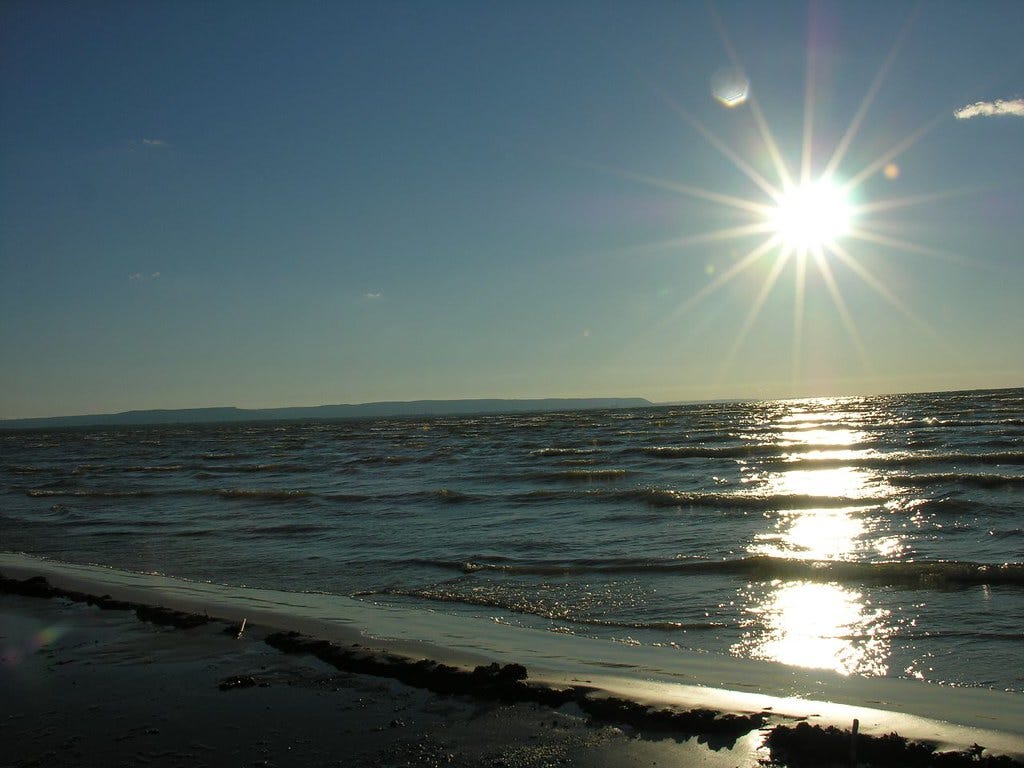
The Funeral Walk
When I left the beach that late September day, it struck me again just how much it felt like a funeral. Not of a person, but of an era.
We walked the sand as if paying respects, knowing the changes are already in motion, knowing that the horizon will soon be cluttered not just with sailboats and distant land, but with the outlines of condos, resorts, and gated developments.
The longest beach in the world, reduced to real estate listings.
And the question we must ask is simple: when our shoreline is up for sale… who are we selling out?
✍️ This is part of my “Kitchen Table Politics” series—writing about the everyday places and choices that shape Canada’s future. If this resonates, consider subscribing to Between the Lines. Share this with a friend who cares about keeping Canada’s commons public. Because once the sand is gone, we don’t get it back.
Honest, research-driven analysis with a Canadian lens. Subscribe to Between the Lines.
💬 If this gave you something to think about, tap the 💚 or drop a comment below.
The transfer of Wasaga’s shoreline mirrors a broader erosion of the public trust clause implicit in the Crown’s stewardship of land. Section 3(1) of the Provincial Parks and Conservation Reserves Act defines these lands as “dedicated to the people of Ontario.” Reclassifying them by regulation converts that duty into discretion—and the commons into inventory.
The Americanization of Ontario.😭 Why oh why did Ford get elected again?! 😲 ❤️🇨🇦